Basements and lower levels
Trace seepage, plumbing water, and sump-related moisture through wall bases, flooring layers, trim, and contents before defining the drying boundary.
ANN ARBOR WATER DAMAGE RESTORATION
Basements, plumbing failures, ceiling stains, and soaked flooring can connect through materials you cannot see. Call now and describe the room, timing, source, and visible changes.
Call now (734) 545-1692One direct phone call. No form or SMS.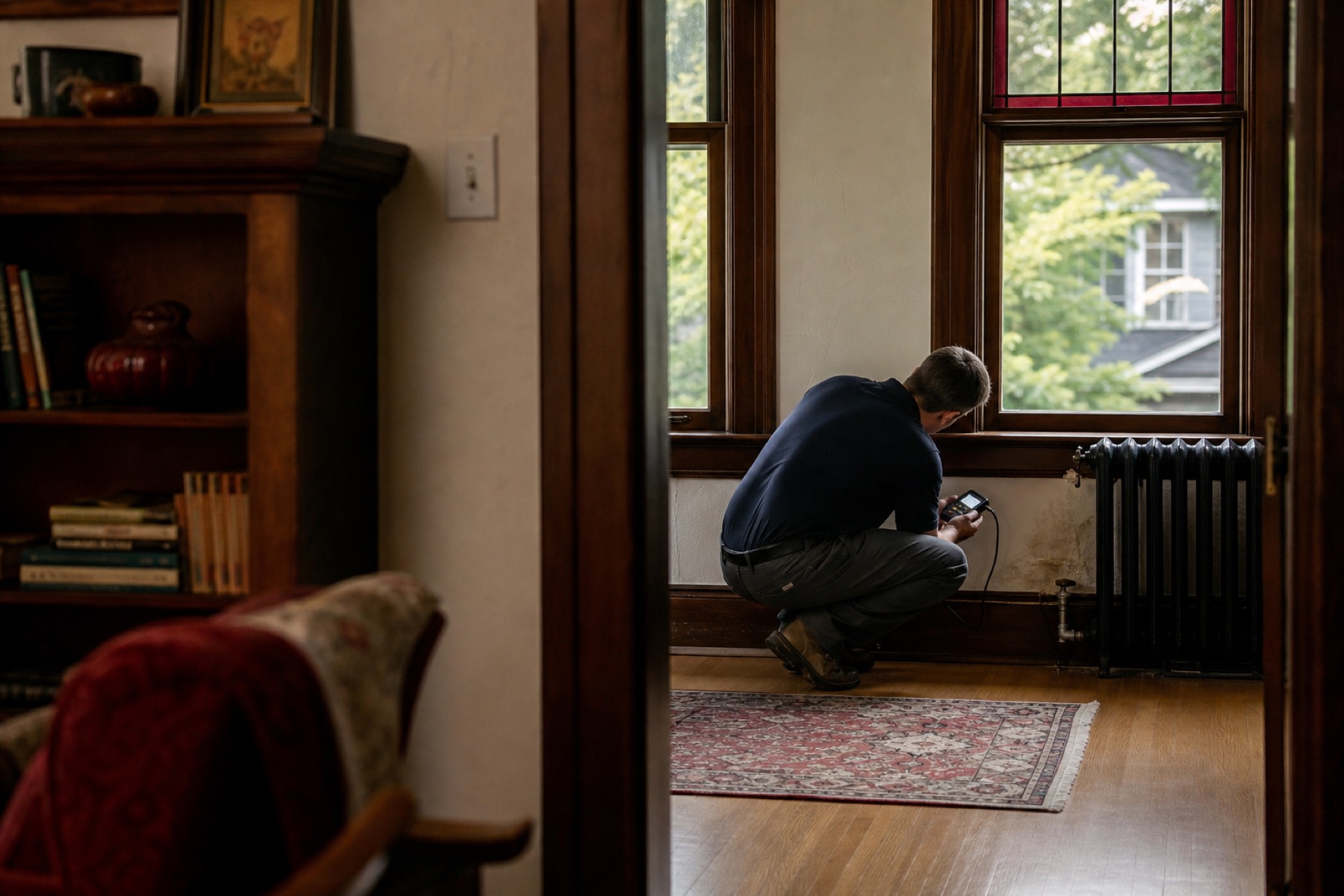
FULL-SERVICE WATER RESTORATION
Water extractionRemove standing water from basements, kitchens, bathrooms, living areas, and commercial spaces.
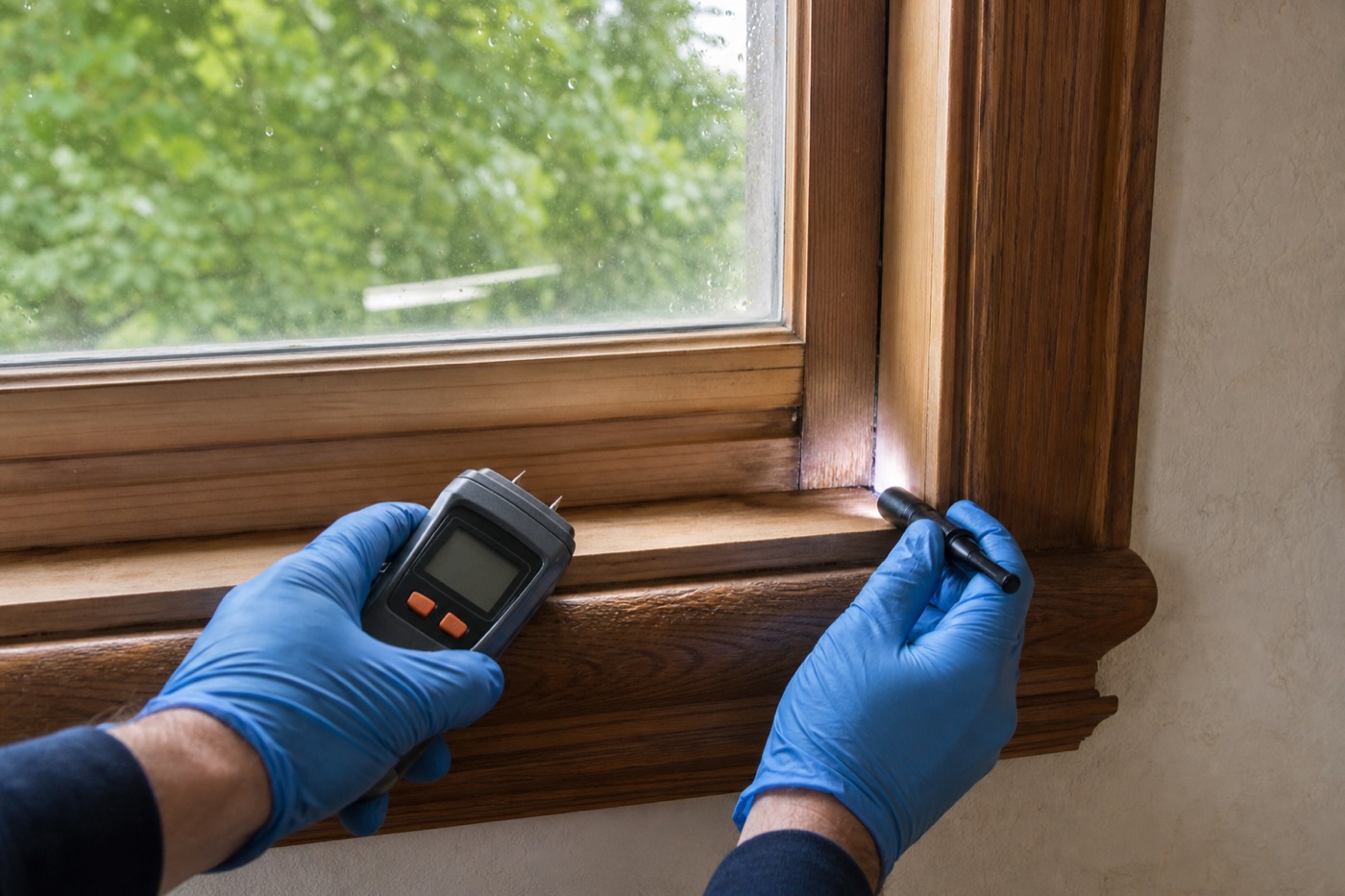
Hidden-moisture inspectionCheck plaster, wood floors, cabinets, ceilings, wall bases, insulation, and rooms below the leak.
Structural dryingUse air movement, dehumidification, access, and repeat moisture checks to guide drying.
Cleaning and sanitationAddress affected surfaces according to the water source and material condition.
Contents and repair planningCoordinate what can be saved and prepare remaining work for the repair phase.
Insurance documentationKeep photos, moisture information, material notes, and scope details together.
WHY ANN ARBOR PROPERTY OWNERS CHOOSE THIS TEAM
One accountable teamRemoval, drying, cleaning, documentation, contents, and repair planning stay connected.
Older-home awarenessPlaster, wood, layered flooring, basements, and finished materials are evaluated as assemblies—not generic surfaces.
Clear decisionsThe company explains what is affected, what can be dried, and what still needs repair.
Claim-ready recordsPhotos, moisture information, material notes, and scope details are organized around the same loss.
HOW THE PROPERTY IS APPROACHED
Trace seepage, plumbing water, and sump-related moisture through wall bases, flooring layers, trim, and contents before defining the drying boundary.
Connect the failed source to every room and material in the water path, then organize removal, access, drying, cleanup, and monitoring around what is actually wet.
Evaluate dense or layered materials carefully so drying access and removal decisions reflect the assembly instead of a one-size-fits-all demolition plan.
A COMPLETE WATER-DAMAGE TEAM
Ann Arbor homes can hide water in basements, plaster, wood floors, cabinets, insulation, and rooms below the leak. The team follows the evidence, explains what it finds, and keeps removal, drying, cleanup, and repair planning tied together.
Call Ann Arbor (734) 545-1692Remove accessible water and protect nearby materials.
Check floors, walls, ceilings, cabinets, and lower levels.
Match air movement and dehumidification to the materials.
Clean affected surfaces based on the source and condition.
Plan what can be saved, cleaned, dried, or repaired.
Organize photos, moisture notes, and scope details.
DOCUMENTATION AND INSURANCE
Photographs, labeled moisture information, affected-material details, and a clear work scope help separate the source, the resulting damage, and the proposed restoration. The restoration team can discuss technical details with an adjuster when requested; the carrier controls coverage, approvals, deductibles, and payment.
Call about documentation (734) 545-1692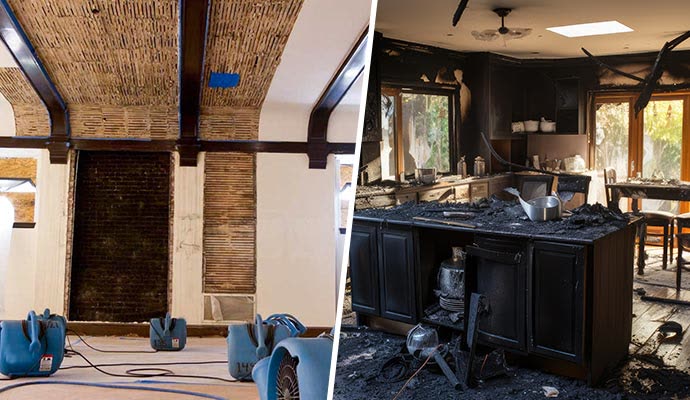
A SIMPLE RESTORATION PROCESS
1. Direct conversation. Explain the room, source, timing, and visible damage.
2. Property inspection. The team checks the connected water path and affected materials.
3. Removal and drying. Extraction, access, equipment, cleaning, and monitoring follow the actual loss.
4. Repair-ready handoff. Documentation and remaining material decisions are organized before reconstruction.
Start with a call (734) 545-1692QUESTIONS FROM ANN ARBOR HOMEOWNERS
Moisture may remain in wall bases, framing, insulation, stored contents, or flooring layers even when the exposed surface looks dry. A broader moisture check helps define the actual boundary.
Not always. The source, exposure time, attachment, finish condition, access, and moisture readings all affect whether drying, selective access, or removal is reasonable.
Describe the likely source, when it was noticed, whether it stopped, the rooms or levels involved, visible changes, and any electrical, ceiling, contamination, or access concern.
The team can organize photographs, moisture information, affected-material details, and the work scope, and can communicate technical information to an adjuster when requested. The carrier determines coverage and payment.
New ceiling stains, softened drywall, changed trim, damp odors, or water near penetrations can be clues. Moisture checks help confirm whether the visible mark connects to a larger path.
Yes. The response can connect water extraction, moisture checks, structural drying, cleaning, contents decisions, documentation, and repair planning instead of treating each step as a separate problem.
The water path may include flooring layers, wall bases, framing, insulation, cabinets, ceilings, stored contents, and adjoining rooms. The source and visible signs help guide the inspection.
Yes. The team can organize photos, moisture information, affected-material notes, and scope details, and can communicate technical facts to the adjuster when requested. The carrier decides coverage and payment.
START WITH WHAT YOU SEE